How to assess used designer bag condition
Learning how to assess used designer bag condition takes four checks. First, collect clear photos and written disclosures. Second, inspect the corners, base, handles and straps. Third, test the hardware and examine the lining and smell. Fourth, compare what you found with the seller's grade, the price and the return terms. If your findings and the grade disagree, ask questions or walk away.
The problem is that a label like "Very Good" sounds more precise than it is. Two resellers can grade the same bag differently. Photos also flatter bags. They rarely show odor, a stained lining or a corner that has been repainted. When you buy online, you can't pick the bag up, so you need a method.
Online Luxury Shops is a directory, and we do not sell bags ourselves. Our profiles help you find resale and multi-brand destinations. This guide covers what to check once you have picked a seller. Below you will find a grade key, a message template for sellers and a four-step inspection you can run on any listing.
Why condition grades only tell you part of the story
A condition grade is one seller's opinion, not a universal standard. Read each seller’s definitions before relying on the grade.
What common grades mean
FASHIONPHILE publishes seven grades. Other sellers use letter ranks such as A, AB and B, each with its own definitions. The table shows the first system as a reference point for how wear is typically described.
| Grade | How that retailer describes it |
|---|---|
| Giftable | New condition, with original box, case or attached tags |
| New | Appears unused, may show faint wear from storage |
| Excellent | Clean, very little wear |
| Very Good | Some wear, such as slightly worn corners, creases in the leather, tarnished hardware |
| Good | Moderate wear, such as surface scratches and slight darkening on handles |
| Fair | Noticeable wear |
| Flawed | Generally nice, but one major defect affects appearance or function |
Treat the grade as a claim to test, not a result to accept. Your inspection should confirm that the listed wear matches the definition the seller published.
A grade is a claim to test, not a result to trust.
What grades leave out
A single grade summarizes the whole bag, so it can hide the one flaw that matters to you. Odor, interior stains and past repairs often sit outside the label. The condition notes and photos carry that detail, so read them before you read the grade.
Know, too, what serious damage looks like. Exposed piping, sticky glazing, severe stains and torn handle attachments call for closer inspection. Ask whether the issue affects how the bag carries or closes, and what a repair would involve.
Step 1. Collect photos and facts before you inspect
You can only assess condition on evidence you have in hand, so get complete daylight photos and written answers first. Look for answers specific to the bag in the listing.
Photos to require
Ask for natural-light photos without filters. Check that the set covers these views:
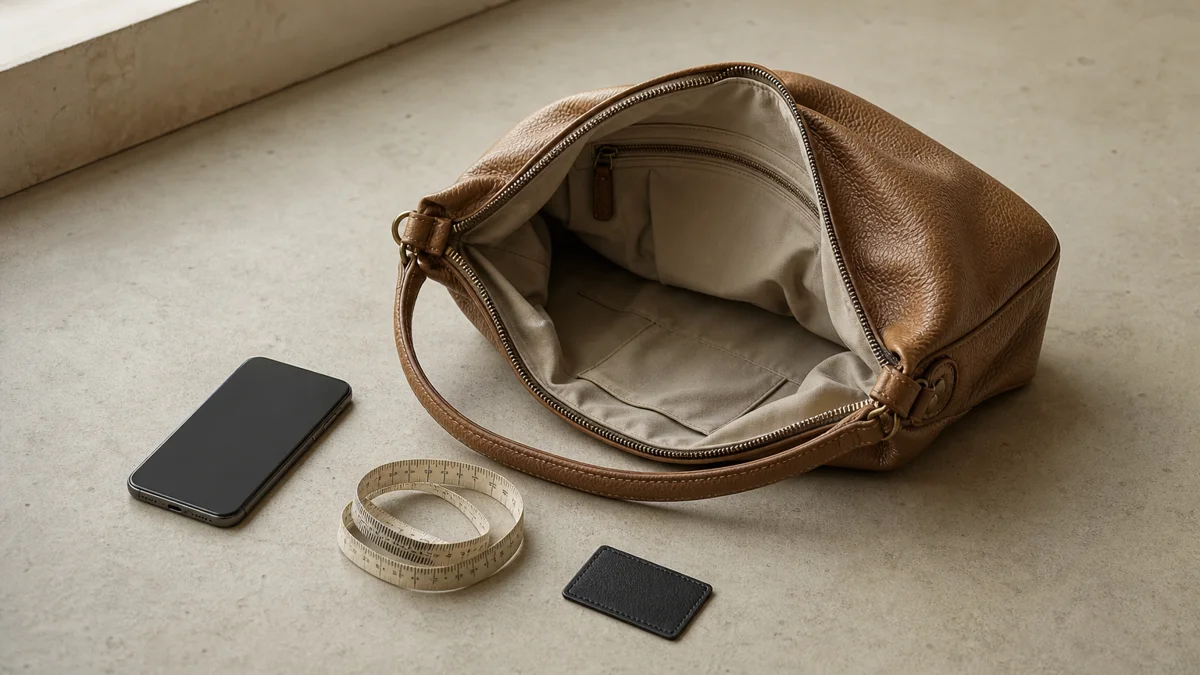
- The front, back and both sides of the whole bag
- The base and all four bottom corners, each in close-up
- The handle attachment points and any strap, front and back
- The full interior, including pockets and the lining near the seams
- The hardware, zippers and clasps up close
- The interior stamp or label
- Every flaw the seller mentions, photographed separately
Questions to ask the seller
Photos miss what a camera can't capture, so put your questions in writing and keep the replies. You can copy this message and fill in the brackets:
A vague or evasive reply is information in itself. If a local seller lets you inspect in person, run the same checklist with the bag in your hands. Forums can add model-specific tips, such as which areas wear first on a given style, but they are no substitute for the seller's own written disclosures.
If a seller won't answer plainly in writing, the bag has already told you something.
Step 2. Inspect corners, base, handles and straps
When you assess a used designer bag's condition, start with the structure. Corners, base, handles and straps carry the most stress, so they show wear first and most honestly.
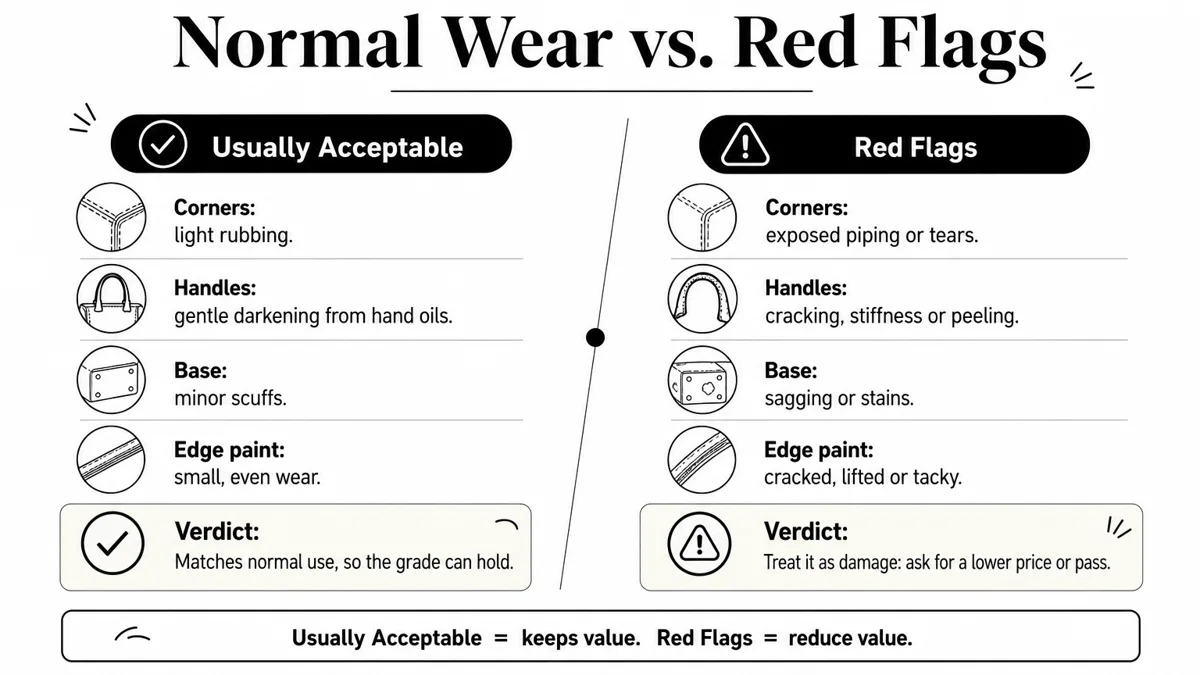
Normal wear versus red flags
Light use leaves marks, and heavy use leaves damage. This table separates the two.
| Area | Usually acceptable | Red flag |
|---|---|---|
| Corners | Light rubbing, slight color loss | Rubbed through to the layer beneath, exposed piping, tears |
| Base | Minor scuffs, slight softening | Sagging, stains, worn-down feet or studs |
| Handles | Gentle darkening from hand oils | Cracking, stiffness, peeling, stretched holes |
| Edge paint | Small, even wear | Cracked, lifted or tacky paint |
| Body and shape | Soft creasing | Deep cracks, peeling coating, permanent slouching |
On coated canvas, check the edges and handles for cracking or peeling. On smooth leather, look for deep creases, scratches and water marks. Natural darkening on untreated leather can be a desirable patina, but spotted or blotchy marks are damage.
Signs of repair or restoration
A restored bag can be a fair purchase if the seller discloses the work and prices it accordingly. The risk is undisclosed restoration. Edges that look unusually smooth or glossy may have been repainted. Color that is slightly off between the body and the handle may mean a re-dye or a replacement part. Stitching in a thread tone that differs from the rest can signal a repair.
Ask directly, and compare the photos from different angles. If the answer is "not that I know of," a careful buyer still prices in the possibility.
Check the places that wear first. If they look too fresh, ask why.
Step 3. Check hardware, closures and interior
The hardware and interior hide the flaws that photos miss, so test every moving part and trust your nose. These are the checks that most often separate a good purchase from a return.
Hardware and closures
Look at the plating on every metal piece for scratches, tarnish and worn finish. Mismatched hardware color across zips, clasps and feet can suggest a replacement. Test the zipper from end to end. It should run smoothly without catching. Clasps and turn-locks should close firmly and open without force.
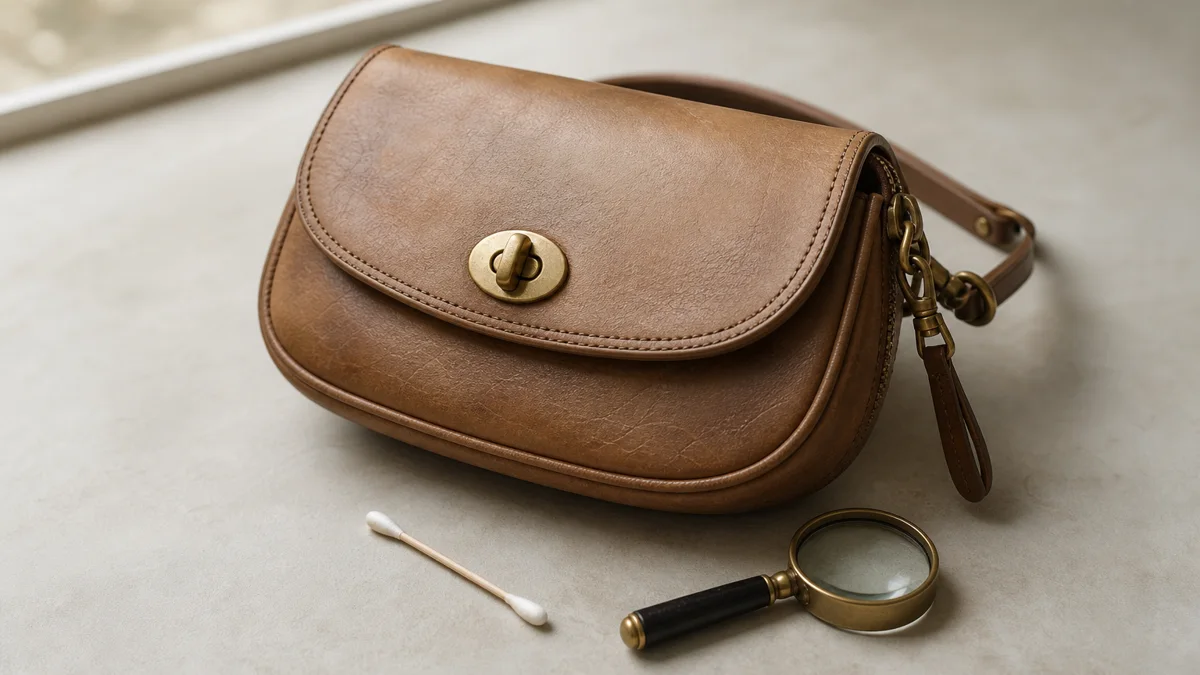
If you are buying remotely, ask for a short video of the zipper and closures in use. A failed zipper is a repair cost, so factor it into your decision.
Lining, odor and interior
Open the bag fully and check the lining near the seams and pockets for stains, pen marks and residue. These marks are hard to remove, so they affect value more than most buyers expect. Check for peeling or stickiness too.
Odor deserves its own check because you can't photograph it. Smoke, perfume and mustiness can linger in a lining. Ask the seller to describe the smell and check the return terms if you can't verify it first. Legible interior stamps are useful for identifying a model, but a condition check does not prove authenticity.
Odor and lining stains are the flaws photos hide best, so ask about them directly.
Step 4. Match condition to price and return terms
Compare your findings with the grade, the asking price and the return policy. When these three don't agree, ask for a better price, ask for a clearer explanation, or pass.
Compare like for like
An asking price is what a seller hopes to get. Compare it with listings for the same model, size, material, color and grade. Accessories matter too. A dust bag, box, strap, lock or receipt can add buyer confidence, but missing ones rarely decide value alone.
Here is a worked example. A listing says "Very Good." Your inspection finds lightly rubbed corners, slightly darkened handles, a clean lining, no odor and a working zipper. That may fit the seller’s description. Compare similar listings before deciding whether the price is reasonable. Now suppose you find a stained lining and lifting edge paint. Ask the seller how those defects fit its published grade. Decide whether you would still want the bag at that price.
The right price is the one that matches what you actually found, not what the label says.
Check the policies before you pay
Read the return window, who pays return shipping, and whether returns are accepted when an item is not as described. Check the seller's authentication process directly, since a condition review does not replace it. If the bag ships across borders, ask about import duties and taxes before you commit. Our directory advises readers to confirm delivery, returns, taxes and condition with the retailer, and a listing there is not a guarantee of authenticity or availability.
Inspect first, then decide
Assessing a used designer bag comes down to evidence. Collect complete photos and written answers, inspect the corners, base, handles and straps, test the hardware and interior, then weigh what you found against the grade, the price and the return terms. A grade is where you start, not where you stop.
When you are ready to find a seller, you can compare resale and multi-brand destinations on Online Luxury Shops and apply this checklist to the listings that interest you.
See the FASHIONPHILE profile for its grading and accessory notes, or Vestiaire Collective for how seller type affects the purchase. Suggest a correction.
Sources & further reading
Source information reviewed on 16 November 2026. Details and regional terms can change; confirm them with the provider.