How to buy authentic luxury goods online
The photographs look convincing. The paperwork is there. But what, exactly, has been checked? A practical guide to buying bags, watches and jewellery with better evidence—and fewer assumptions.
A receipt, a serial number, a close-up of a neatly stamped logo: a luxury listing can offer plenty to look at without answering the question that matters. Is the object being sold what the seller says it is?
The difficulty is that those clues answer different questions. A diamond report describes a stone. An archive extract records a watch’s numbers. A receipt documents a transaction. None should be asked to do the work of all the others.
You do not need to become a watchmaker or a gemmologist before buying something beautiful. You do need to know who is selling it, what evidence relates to the actual item, and what happens if that evidence does not hold up.
Start with the seller, before studying the stitching
If you want a new item and the clearest route back to the brand, begin on the brand’s own website or use its official store finder to locate an authorised retailer. Check authorisation for the brand and product category you are buying. A shop’s own claim is something to verify, not the verification itself.
Resale is a different purchase. It can give you access to discontinued designs and older pieces, but you are also buying the seller’s judgement about their history. Establish the legal seller’s name, trading address, contact details and country. On a marketplace, ask whether the platform is selling the item or an independent seller is. A familiar platform name does not answer that question.
Follow the route to checkout as carefully as the route to the listing. Open the brand or retailer’s website independently rather than relying on an unsolicited link. If an invoice or payment request introduces a different business name, ask why before paying. A real company registration can help identify a business; it does not authenticate its stock.
Read recent reviews for patterns in how problems were handled, rather than counting stars. A long sales history is useful context, but the decision still concerns this item and this transaction.
What the evidence actually tells you
Ask for current photographs of the exact item, including wear, identifying marks and any repairs. They help establish what is being offered and give a specialist something to assess. They cannot, on their own, establish what will arrive in the parcel.
| What you are shown | What to establish next |
|---|---|
| Original receipt | Does it describe this item, and can its origin be checked? A document about an earlier sale does not establish the current object’s identity or condition. |
| Serial or reference number | Does a qualified examiner find it consistent with the object? A number is a starting point for checking, not a verdict. |
| Authentication certificate | Who issued it, what was examined, and does it identify this exact item? Ask what was excluded and what an inconclusive result means. |
| Gem laboratory report | Is the report genuine, and has someone checked that the stone being sold matches it? Those are separate checks. |
| Box, dust bag or warranty card | Are these original to the item, later additions, or simply included accessories? Treat their provenance as a separate question. |
One particularly clear example comes from Audemars Piguet. Its archive extract confirms that case and movement numbers appear in its records; it does not guarantee the watch’s authenticity. Its Certificate of Authenticity is a different service, requiring the watch to be examined by its experts. The distinction is worth remembering whenever a listing says “with papers”.
Bags: a convincing detail is still only a detail
Stitching, hardware, lining, stamps and construction can all matter to a specialist. The mistake is to turn one feature into a universal rule for a brand whose designs, materials and production details may span decades.
For a pre-owned bag, ask the seller to state the model, dimensions, material and approximate period, and to explain how those descriptions were established. Request photographs that show the whole bag as well as the details: handles, base, interior, fastening and areas of wear. An attractive front view tells you little about a repaired handle or an interior that has been relined.
Keep authenticity and condition separate. Ask specifically about recolouring, replacement hardware, repairs and whether a strap or other accessory belongs to the original purchase. A disclosed repair may be perfectly acceptable to you. An undisclosed one changes the proposition.
Do not assume a boutique will settle a resale disagreement afterwards. Hermès says it cannot guarantee or verify items bought outside its official points of sale. That policy does not establish that an independently sold bag is counterfeit; it means “I’ll take it to Hermès later” is not a reliable inspection plan.
If an independent authentication service is part of your plan, choose it before committing. Ask whether it covers that brand and period, whether it examines photographs or the physical bag, and whether its written conclusion will be accepted under the seller’s dispute process.
Watches: genuine is not the same as untouched
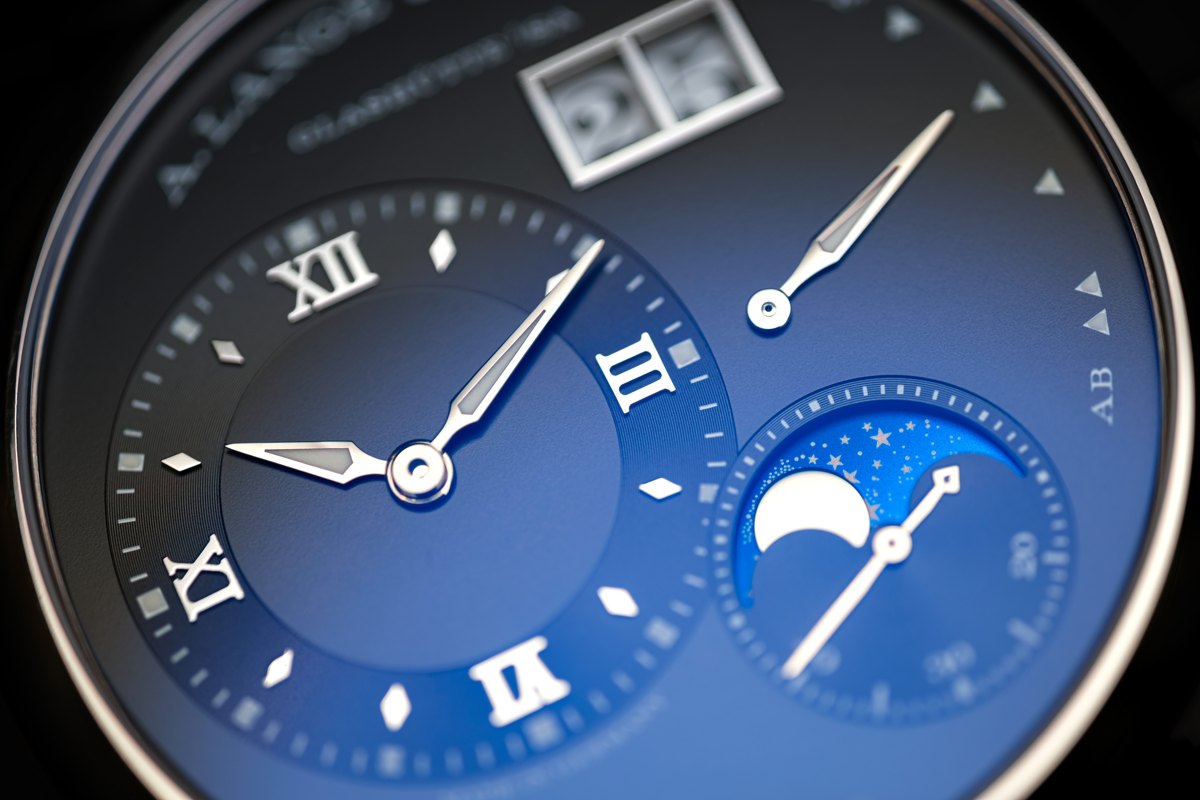
A watch can contain genuine replacement parts without being in the configuration it left the factory with. That difference matters if you want a dependable watch to wear; it may matter even more if you are paying for a particular vintage dial or an unusually original example.
Ask about the dial, hands, bezel, case, bracelet and movement separately. Which components are known to have been replaced? Has the case been polished? What service documentation exists? If the description says “all original”, ask the seller to define it in writing.
Rolex’s own Certified Pre-Owned programme includes authentication, servicing and a two-year international guarantee. Rolex also explains that genuine replacement parts may be used when necessary. Brand certification and a promise of untouched original components are therefore different things.
Provenance deserves a separate question too: how did the seller obtain the watch, and what ownership history can be documented? A genuine watch can still have been stolen. A loss-register search can add evidence, but The Watch Register itself notes that not every loss or theft is reported. A clear search is not proof of ownership or authenticity.
For an independent purchase, agree the inspection arrangements before the sale. Ask whether the proposed assessment includes examining the movement, rather than only the exterior; the appropriate scope depends on the watch and the claim being checked. Have any opening carried out by a qualified professional with the seller’s agreement; do not open a watch yourself to investigate a suspicion.
Authentication, mechanical condition and water resistance also answer different questions. Find out which were actually tested. Our guide to buying a luxury watch online goes further into seller routes, servicing and warranties.
Jewellery asks three questions, not one
Is the metal as described? Are the stones as described? Was the piece made by the named house? A satisfactory answer to one does not settle the other two.
A recognised hallmark provides evidence about precious-metal fineness. It is not, by itself, proof that a branded ring came from the house named in the listing. British Hallmarking Council guidance also explains that a UK sponsor’s mark identifies who submitted an article for hallmarking, which can include a retailer or importer, rather than necessarily its manufacturer. UK requirements have exemptions; an absent mark needs investigation in context, not an instant verdict.
For a significant diamond purchase, look up the report directly with the issuing laboratory rather than relying on the seller’s screenshot. Then arrange for a suitably equipped professional to establish whether the stone matches the report. GIA has documented counterfeit report-number inscriptions on stones made to resemble the characteristics of other diamonds. A plausible number—even one engraved on the stone—is not the whole check.
Be precise about the word “real”. A correctly disclosed laboratory-grown diamond is a diamond, not a counterfeit natural diamond. The problem is misdescription. GIA distinguishes laboratory-grown diamonds from simulants, while its identification guidance explains the need for advanced testing to establish growth origin reliably. Sparkle in a video is not a substitute.
For a signed jewel, ask the examiner whether the assessment covers the maker’s attribution as well as the metal and stones. Request disclosure of resizing, replacement stones and alterations. A gem report should not quietly become a certificate for an entire branded piece.
Read the service, not just the badge
“Authenticated” needs a follow-up question: by whom, using which process, on this order?
Vestiaire Collective’s shipping options illustrate why. Authenticated Shipping sends an item through an authentication centre for physical checks; Direct Shipping sends it from seller to buyer. The platform name is the same, but the item’s route is different. Check the option selected for your transaction, its eligibility and the current terms in your country.
When choosing an examiner, look for relevant category experience and a clear explanation of the work. Does “verified” mean a photograph review, hands-on inspection, laboratory testing or a seller’s own assurance? Ask whether the report records identifying details and photographs, what its conclusion covers, and what happens if experts disagree. Find out what happens if the result is inconclusive: is the purchase cancelled, is another opinion required, or is that uncertainty left with you? An inconclusive result is neither authentication nor proof of a counterfeit.
A voluntary guarantee and your legal rights are different layers of protection. The EU’s Your Europe guidance distinguishes purchases from traders from purchases from private individuals; do not assume the same rights apply to both. A platform’s reporting window does not necessarily describe every legal remedy available.
Allow time for that work. An inspection booked after the applicable reporting deadline may give you an answer without giving you the remedy you expected.
The message to send before buying
You can adapt this enquiry to the item:
- Are you the legal seller, and what name and address will appear on the invoice?
- Do the photographs show the exact item I will receive? Please confirm its identifying details and what is included.
- Who has authenticated it, when, and by what method? May I see the item-specific report?
- What repairs, replacement parts, alterations or other departures from the description of an original example are known?
- Can an independent specialist inspect it before the sale, or within an agreed return arrangement?
- If authenticity or description is disputed, what evidence is accepted, what deadline applies, and who pays inspection and return costs? Please also confirm what happens if an assessment is inconclusive.
Clear answers will not authenticate an object. They do expose gaps while you can still decide not to buy. If a seller will not identify the business, explain a changed payment request or let you understand the inspection process, pause the purchase. Pressure to pay is not a reason to lower the standard of evidence.
Protect the transaction—and check what arrives
Keep the listing, photographs, written answers, invoice and applicable terms. Stay within the marketplace’s payment system if its protection depends on doing so. Before paying, check with your card issuer or payment provider what protection applies to the particular purchase; a refund route is not an authentication service.
In its US consumer guidance, the Federal Trade Commission recommends credit cards where possible and warns about sellers insisting on payment methods such as gift cards or wire transfers. Remedies and deadlines vary by country, provider and transaction. Do not assume an expensive purchase automatically has better protection.
On arrival, compare the item and identifying details with the listing and report. Photograph the packaging, labels, item and any discrepancy. Keep tags and seals intact while checking the terms, and arrange any agreed specialist inspection promptly. An unboxing video can document delivery; it cannot prove authenticity on its own.
If something does not match, stop using or altering the item and report the specific discrepancy through the seller’s or platform’s official process. Preserve the evidence and check the payment provider’s deadlines too. Seek return instructions before sending it anywhere; a disputed object needs a documented route back.
The useful question is not “Does this look expensive enough to be real?” It is “What evidence connects this object to the description—and who stands behind that description if it is wrong?” You should be able to answer that before the money leaves your account.
Where to continue your research
Explore our Hermès, Rolex, Audemars Piguet and Cartier profiles for product context and official routes. A directory listing is a research starting point, not certification of a seller’s inventory.
Sources and editorial method
This guide draws on published brand policies, a gemmological laboratory, marketplace documentation and official consumer guidance, checked on 30 October 2026. The buying questions and comparisons are our editorial synthesis. We did not buy test items, inspect the illustrated watch or conduct authentication trials. Commercial programme descriptions are attributed to their providers, not treated as independent proof of accuracy. Policies can differ by country and change; check the terms attached to your order. This article contains no paid placement or affiliate links.
Primary sources are linked beside the claims they support. Key distinctions: Audemars Piguet’s documents; Hermès’s authentication policy; Rolex’s CPO process; GIA’s inscription warning and diamond-identification guidance; British Hallmarking Council guidance; Vestiaire Collective’s shipping routes; The Watch Register’s database limitations; FTC online-shopping advice; EU Your Europe consumer guidance.
Corrections or a changed policy? Contact the editorial team with the relevant source.


