Designer clothing consignment: compare shops, buyouts and online services
Choosing designer clothing consignment stores starts with the garment, the selling model and written terms. Look for a stated authentication process, clear condition descriptions and payout terms that suit your price tier. Independent boutiques suit shoppers who want to inspect pieces in person. Buy-outright resellers suit sellers who want money now. Managed online services can suit sellers who want help with listing and fulfilment; seller-listed marketplaces require a different level of involvement.
The trouble is that "consignment store" covers very different businesses. A boutique that keeps half your sale price, a reseller that pays you today, and a platform that ships your coat across the country can look alike from the outside. Their payouts, authentication and return rules are not alike at all. This guide sorts them into five types, so you know what to search for near you and what to ask once you walk in or log on.
Online Luxury Shops is an editorial directory, not a seller. Each type below follows the same pattern: how it works, who it suits, and what to check.
1. Independent luxury consignment boutiques
How it works
An independent boutique takes your piece on consignment, prices it, and pays you a share of the sale price after it sells. Splits vary by shop and often by price tier, so treat any figure you read online as a starting point and ask for the schedule in writing.
Ask whether the shop sets a consignment term, scheduled markdowns, collection fees or donation arrangements. Do not assume unsold clothing comes back automatically. Check whether intake is by appointment or limited to a published designer wish list.
A boutique that cannot explain how it authenticates is asking you to take its word for it.
Who it suits
This type suits shoppers who want to handle bags and try on tailoring before paying. Check the in-store return rules separately from online terms. It also suits sellers with current-season designer pieces in excellent condition, where the shop accepts the designer, season and garment condition.
What to check
- Does the shop authenticate in house or send items out?
- Does the written agreement state the split, the markdown schedule and the payout timing?
- What happens to unsold items at the end of the term?
- Is intake open, by appointment, or limited to a wish list?
To find shops near you, search a map app for "luxury consignment" plus your city. Then read each shop's intake page before you travel.
2. Buy-outright luxury resale shops
How it works
These shops buy your piece outright and pay you up front, then carry the risk of reselling it. Some offer both routes. Couture USA offers buyout and consignment routes, but its FAQ says clothing intake is limited: it may occasionally accept a like-new Chanel or Louis Vuitton jacket, likely on consignment. It is a useful model comparison, not a general clothing-intake recommendation.
Take a handbag a shop expects to resell for $2,000. These figures are illustrative, not a quote from any shop:
| Route | Expected resale price | You receive | When you are paid |
|---|---|---|---|
| Consignment at an assumed 50% split | $2,000 | $1,000 | After the bag sells |
| Buyout offer | $2,000 | $750 | At the time of sale to the shop |
A buyout trades an agreed payment for giving up the uncertain proceeds of a later sale. Compare net offers and timing rather than assuming one route always pays more.
Who it suits
A buyout can suit sellers who value payment certainty, provided the shop accepts the garment and confirms when payment becomes final. Stock size and turnover vary; assess the actual clothing listings. If you ask which shop pays the most, the honest answer is that no shop does across the board. Compare written offers for the same piece.
What to check
Get at least two offers on the same item, and ask whether the buyout price is final or subject to inspection. For purchases, look for an authenticity guarantee and a return window. Couture USA’s return page describes a 14-day US online return route, while its FAQ refers to online orders under $5,000. Ask the shop to resolve eligibility for your exact order before relying on a return; do not apply a US policy to an overseas purchase.
3. Contemporary designer consignment shops
How it works
These shops focus on current-style clothing from contemporary, department store and boutique labels, such as Theory or Vince. They mix in some higher-end names. Intake is usually seasonal, so a wool coat offered in spring may be turned away until fall.
If a luxury boutique turns your piece down, a contemporary shop may be the right buyer, not a worse one.
Who it suits
Shoppers building an everyday designer wardrobe at lower prices will find the most here. For sellers, check the accepted-designer list and likely net proceeds after commission, cleaning and collection charges. A clean garment from an accepted label is not a guarantee of acceptance or sale.
What to check
Ask about seasonal intake dates and any cleaning or condition requirements before you bring a bag of clothes. Find out how many items the shop takes per visit. Confirm the price floor, because some shops will not list items they expect to sell below a certain amount.
4. Online consignment platforms
How it works
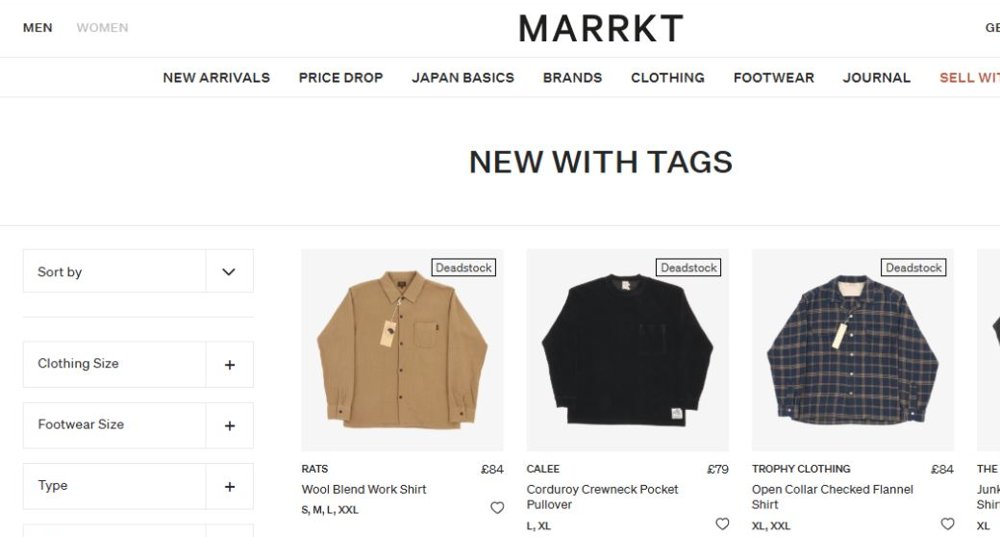
A full-service consignment business receives the garment and handles listing and fulfilment. The RealReal describes authentication, pricing, photography and selling services; its commission calculation depends on the item’s net selling price. MARRKT offers a managed menswear selling route. Compare the actual fees rather than assuming online services always cost more than boutiques. A seller-listed marketplace is different: on Vestiaire Collective you generally create the listing, and Direct Shipping can bypass physical authentication before delivery. Check which route applies to the item.
Compare the work the service performs, the net payout and the handling of unsold items. Audience reach alone does not establish value.
Who it suits
Online services can suit sellers without a suitable local shop, provided the accepted labels, work involved and likely net payout fit the garment. They also suit shoppers hunting a specific bag or label across a wide inventory. Our retailer and marketplace profiles explain how individual destinations work, so you can compare them before you list or buy.
What to check
- Authentication process: who checks the piece, and what happens if the platform rejects it?
- Returns: many resale sales are final or have a short window.
- Condition grading: read the scale, since "good" means different things at different sellers.
- Duties and shipping: cross-border orders can add import costs.
- Payout timing: when the money reaches you after a sale.
5. Vintage and specialist boutiques
How it works
These boutiques curate by era, designer or category, such as archival runway pieces, vintage evening wear or menswear. They price by rarity and condition rather than brand name alone. Many buy directly from sellers or take consignments only for pieces that fit their focus.
Who it suits
Collectors and shoppers looking for something no current collection offers will like these shops. Sellers with archival or vintage pieces should compare a specialist’s knowledge, documentation requirements and written offer with other routes; expertise does not guarantee a higher payout.
Bring labels, receipts and provenance where available. Ask how the specialist dates the garment and supports any rarity claim.
What to check
Ask for clear condition notes, including any repairs, odors or alterations, and look for provenance details where they exist. Sales are often final, so request extra photographs of labels, linings and hardware before you buy. As a seller, ask how the shop researches and dates a piece.
Compare the routes before handing over clothing
| Route | Who does the work? | Payment | Ask first |
|---|---|---|---|
| Independent boutique | Shop lists and sells accepted garments | After sale under the agreement | Markdown consent, term and unsold collection |
| Buyout | Shop resells after accepting your item | Agreed payment after acceptance/inspection | Final cash offer versus conditional quote |
| Contemporary consignment | Shop selects by label, season and condition | After sale; check minimum payout | Accepted labels, cleaning and price floor |
| Managed online consignment | Service handles goods, photography and fulfilment | After sale, less stated fees | Net selling price, discounts and payout date |
| Seller-listed marketplace | Seller prepares listing; dispatch route varies | According to transaction and payout rules | Physical authentication route and dispute process |
| Vintage specialist | Specialist evaluates within its focus | Buyout or consignment: establish which | Dating, alterations, provenance and unsold terms |
Check the garment, not just the brand
For tailoring, request chest, shoulders, sleeve and back length; for trousers, waist, rise and inseam. Compare the seller’s measuring method with a garment you already wear. Ask whether hems, waist or sleeves have been altered and whether fabric remains for adjustment. Request close photographs of lining, seams, closures, underarms and labels, and ask about moth damage, stains, odour, repairs and cleaning needs. Treat cleaning and alteration costs as part of your buying decision; do not assume a tagged size guarantees fit.
Concrete routes in our directory
The RealReal is a full-service consignment starting point; MARRKT focuses on managed menswear resale; Vestiaire Collective is a marketplace with shipping and authentication routes to distinguish. These are business-model examples, not a payout or authentication success ranking.
Choosing where to shop and sell
Start with the price tier of your piece or your budget. Local boutiques and contemporary shops serve most shoppers and sellers who like to handle items. Buyout shops offer payment certainty after acceptance, managed services reduce listing work, seller-listed marketplaces leave more responsibility with you, and specialists focus on vintage and archival finds. Whichever you choose, get the payout terms, authentication method and return policy in writing before you commit.
If you want to compare larger shopping destinations beyond local shops, browse the retailer and marketplace profiles at Online Luxury Shops. Each one explains what the destination offers and what to check with the retailer directly.
Sources & further reading
Source information reviewed on 28 November 2026. Details and regional terms can change; confirm them with the provider.